FREE & FAST SHIPPING for orders over
  USA (Americas):
  UK (Europe):
  AUSTRALIA (Asia)


The Only Clinically Proven Tight Foreskin Phimosis Treatment - Safe, Painless & Permanent Results
-
For mild Phimosis
-
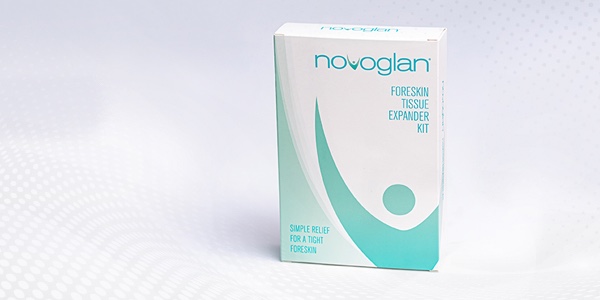
Treats all Phimosis Grades
-
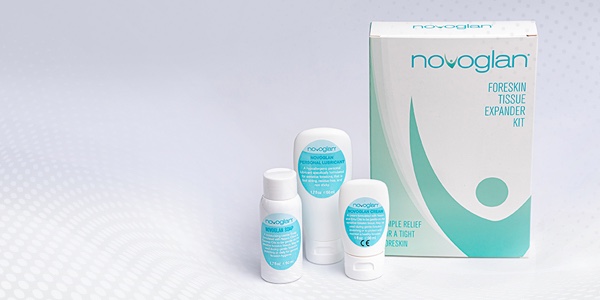
Treats all Phimosis Grades + Ongoing Care
Tight Foreskin Treatment
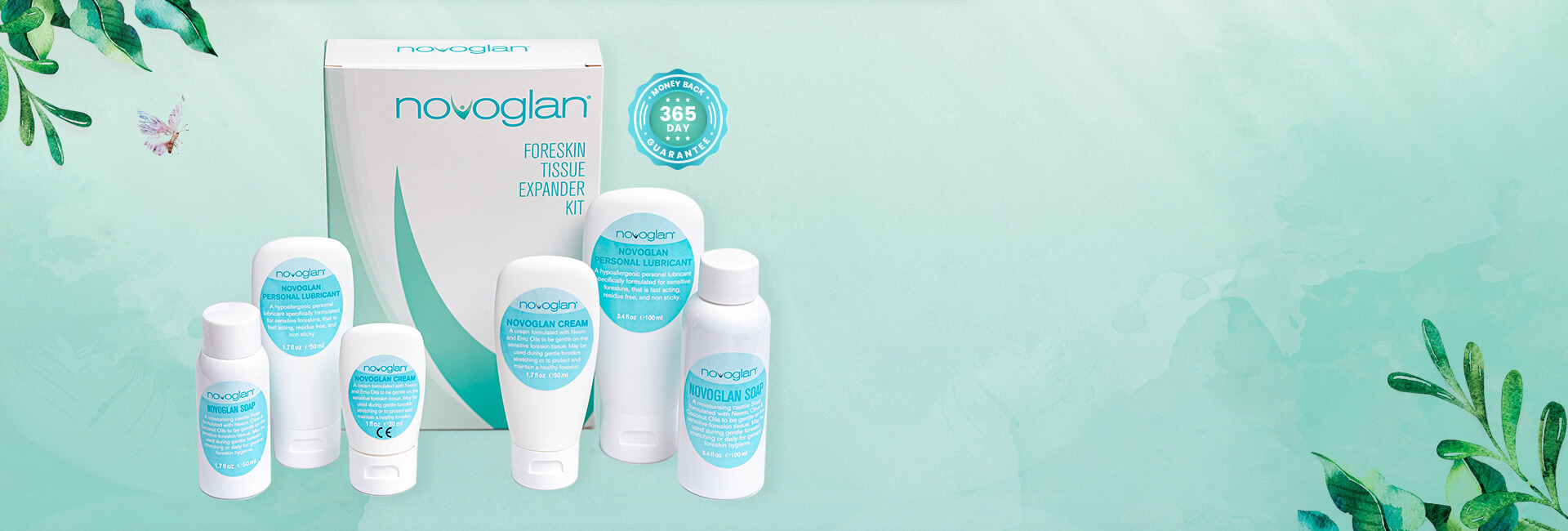
Novoglan's Complete Care Non-Surgical Phimosis Treatment offers a reliable and effective solution for individuals seeking a tight foreskin treatment without surgery. This comprehensive system includes the scientifically proven Novoglan Non-Surgical Phimosis Treatment along with a range of specially formulated foreskin care products to promote lasting foreskin health and relief after treatment.
Patented Non-Surgical Class 1 Medical Device
3 Easy Steps to Treat & Prevent Phimosis

-
Step 1Insert Novo-Inflator balloon under the foreskin & inflate
applying even pressure accross the surface of the foreskin. -
Step 2Keep the Novo-Inflator balloon
in place for just 30 minutes daily
start seeing RESULTS in only 2 WEEKS. -
Step 3Prevent phimosis returning!
Novoglan Personal Lubricant - friction free foreskin.
-
Fast Permanent Treatment - Stop Your Suffering Now
The Novoglan Foreskin Tissue Expander is clinically proven to treat adult phimosis painlessly: applying even pressure across the surface of the foreskin will generate new skin cells that allows the foreskin to stretch and retract normally ( how does foreskin stretch ). The Novoglan FTE treatment takes just 30 minutes each day for approximately 6 to 8 weeks - in the privacy of your own home. Join over 45,000 other men who have successfully treated their phimosis with the Novoglan FTE Doctors & Pharmacists Click here for more details

-

Novoglan Guarantees
- YOUR PRIVACY !!!
- Free Shipping for ALL treatment kits
- 365 Money Back Guarantee for all registered products
- To ensure your privacy & discretion, all Novoglan products are delivered to you in a plain white mailer box WITHOUT brand, product or treatment markings AT ALL.
About Novoglan's Treatment for Tight Foreskin
Manufactured in Australia to the highest quality and regulatory standards, this Class 1 Medical Device has an impressive success rate, with 93% of users reporting successful outcomes in managing their phimosis conditions.
This non-invasive and easy-to-use tight foreskin treatment allows individuals to comfortably and confidently treat their phimosis at home. By choosing Novoglan's Complete Care Non-Surgical Phimosis Treatment, individuals can take control of their well-being and enjoy a life free from the discomfort associated with phimosis. Start your journey towards improved foreskin health today with the trusted and effective solution provided by Novoglan's Complete Care Non-Surgical Phimosis Treatment.

Very Easy to Use Treatment Watch this Video - Powerful, Painless & Permanent!
This video demonstrates how easy it is to use the Novoglan Gentle Foreskin Stretcher in the privacy of your own home. Novoglan is simple and easy to use...
works on pin hole phimosis as well - all you need is a 2.5mm (0.098 inch) opening!
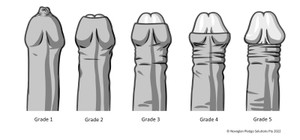
What is tight foreskin (phimosis)?
Phimosis, which is the inability to retract the foreskin from the head of the penis, can cause discomfort, pain during sexual activity, and difficulty with hygiene. While it can affect males of any age, it is most common in younger males. Fortunately, there are various management and treatment options available, such as the Novoglan Tight Foreskin Treatments. It is crucial to seek medical advice if phimosis symptoms persist or worsen over time.
What are the causes of a tight foreskin?
Whilst the exact cause of tight foreskin (phimosis) may not always be clear, there are several factors that can contribute to its development. These include genetics, infections like balanitis, trauma to the foreskin, and chronic conditions such as lichen sclerosus.
If you are experiencing symptoms of a tight foreskin, it's important to seek medical attention. A doctor can help determine the underlying cause of your condition and provide you with appropriate treatment options.
What are the symptoms of a tight foreskin?
The signs of tight foreskin (phimosis) may vary but typically include:
- Difficulty retracting the foreskin: The foreskin may be difficult or impossible to pull back from the head of the penis.
- Pain or discomfort during sexual activity: Phimosis can cause pain or discomfort during sexual activity, which can reduce sexual pleasure and negatively impact one's sex life.
- Pain or discomfort while urinating: Tight foreskin can make it challenging to urinate comfortably, leading to pain or discomfort while urinating.
- Redness and swelling: The head of the penis and surrounding skin can become red and swollen due to the accumulation of trapped moisture and bacteria.
- Foul odor: Trapped moisture and the inability to clean properly can lead to a foul odor.
What are the treatment options for tight foreskin?
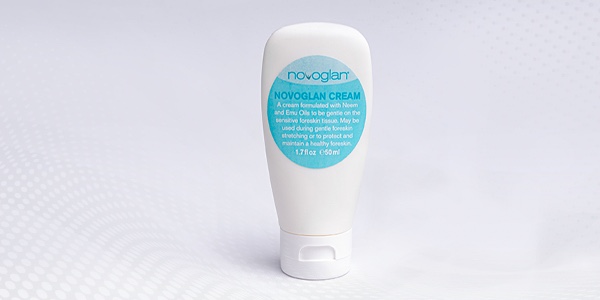
Novoglan understands the impact that a tight foreskin (phimosis) can have on one's daily life, and offers a variety of non-invasive treatments to help alleviate the discomfort associated with it. Our specially formulated foreskin cream and gentle stretching device work together to increase the elasticity of the foreskin and promote improved function.
Our mission is to provide accessible and affordable solutions to those struggling with phimosis, so they can regain their confidence and enjoy a more comfortable life. With Novoglan’s Tight Foreskin Treatments, you can take charge of your phimosis and improve your overall quality of life without resorting to surgery.
How is tight foreskin diagnosed?
During a physical examination, a doctor can diagnose tight foreskin (phimosis) by assessing the ability to retract the foreskin and examining the head of the penis for any signs of inflammation or infection.
In some cases, additional tests may be necessary to diagnose the underlying cause of phimosis. These may include urine tests to rule out any urinary tract infections, swab tests to test for sexually transmitted infections, and allergy tests to rule out any allergies that may be causing inflammation.
It is essential to seek medical advice if you experience symptoms of a tight foreskin to determine the underlying cause and get appropriate treatment options. Early diagnosis and treatment can prevent complications and ensure the best possible outcome. There are several tight foreskin treatments available once you have been diagnosed.
How can a tight foreskin be prevented?
Preventing tight foreskin (phimosis) can be challenging since it can be caused by various factors. However, following some simple steps can help reduce your risk of developing the condition:
- Maintain good hygiene: Keep the penis and the surrounding area clean to prevent infections and reduce the risk of phimosis.
- Avoid harsh irritants: Refrain from using harsh soaps, bubble baths, or wearing tight-fitting clothing that may irritate the foreskin.
- Be gentle: When retracting the foreskin, do it gently without forcing it back. If you experience discomfort or pain, seek medical attention immediately.
- Avoid excessive stimulation: Overstimulation of the penis can lead to inflammation of the foreskin, increasing the risk of phimosis.
It is important to note that not all cases of phimosis can be prevented. However, early treatment can help prevent complications and ensure the best possible outcome. If you are experiencing symptoms of a tight foreskin, it is essential to see a doctor for proper evaluation and treatment.
-
Excellent Customer Care & Support
Novoglan team members are trained by specialist urologists and experts in the management of Phimosis. We are here to help you. You can use our phone support, chat service or email service to suit you own needs. Your privacy is 100% guaranteed. Our team understand your needs & provide a 100% guarantee your privacy will be respected. All communications & all packaging is discreet & free from brands & logos to protect your privacy at all times

-
What our Users Say About Novoglan
4.4 rating based on

-

Many thanks for your great customer service and advice. I've only been using the device for a couple of days now and already noticed an improvement. I can retract my foreskin now - what a relief!" results may vary
Chris United Kingdom
-

I've had phismosis all my life and never truly was able to function at my full potential nor be as confident in myself. Novoglan, you saved me!!! That's all I can really say is you truly saved me. I'm no longer in agony and despair. I'm treated & normal. Thank you!" results may vary
Zac New York USA
-
Many thanks for your great customer service and advice. I've only been using the device for a couple of days now and already noticed an improvement. I can retract my foreskin now - what a relief!" results may vary
Chris United Kingdom
-
I've had phismosis all my life and never truly was able to function at my full potential nor be as confident in myself. Novoglan, you saved me!!! That's all I can really say is you truly saved me. I'm no longer in agony and despair. I'm treated & normal. Thank you!" results may vary
Zac New York USA
4.4 rating based on
-

Premium support Fast and convenient 7 days a week
-

Secure payment Best security system
-

Free shipping All orders over $60
-

Clinical TrialsOver 93% Effective
-